+91-9925390425
 +1-832-647-8304
 info@papayacare.com
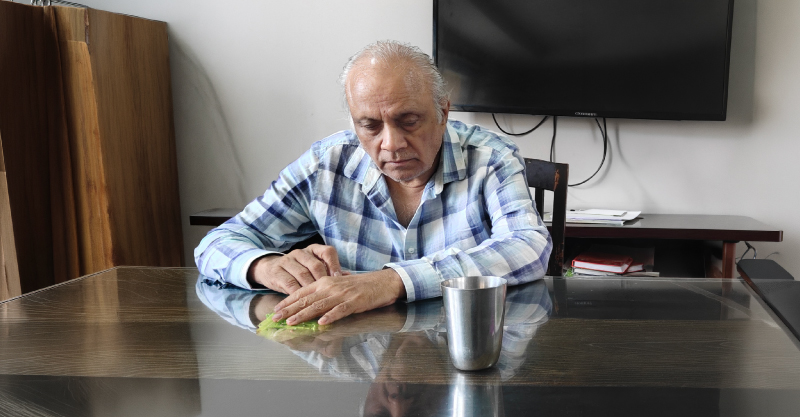
She stopped going for her evening walk. She says her knees hurt, and her sleep is poor, and she is not hungry.
The doctor checked her knees. They are fine.
Somewhere in most families, someone says it kindly. She is old now, what to do. And a treatable illness quietly settles in for years.
The Phrase That Delays Treatment
Depression in older adults is one of the most treatable conditions in geriatric medicine. It is also one of the most missed.
- Families read the signs as ageing
- Seniors read them as weakness, and stay silent
- Doctors are given physical complaints, so they investigate physical causes
- Everyone is being reasonable, and the illness goes untreated
Ageing does not make sadness normal. Losing interest in everything you once enjoyed is not a stage of life.
Why It Looks Different in Older Adults
This is the part most families do not know. In seniors, depression often does not look like sadness at all.
- It arrives as body complaints. Aches, weakness, giddiness, stomach trouble, pain with no clear cause
- Many will not use emotional words. Ask if they are sad and they will say no, then describe six physical symptoms
- Irritability and anger are common, especially in men
- Memory and concentration slip, which is why it gets mistaken for dementia
- Anxiety often comes with it, showing up as repeated worry about money, health or being a burden
- The withdrawal is quiet. They do not announce it. They simply stop doing things
Signs Families Miss
- Stopped a routine they always kept, the walk, the temple, the morning paper
- No longer interested in grandchildren, television, or conversation they used to enjoy
- Sleeping badly, or sleeping far too much
- Eating less, losing weight without explanation
- Neglecting bathing, dressing, or grooming
- Repeating that they are useless, a burden, or in the way
- Slower speech and movement, long pauses before answering
- Refusing to leave the house, or refusing visitors
- Frequent new physical complaints that tests keep coming back clear on
Two or more of these, lasting beyond two weeks, deserves a proper assessment.
Depression or Dementia?
They look similar from the outside, and they are treated very differently. This is the comparison worth knowing.
| What you see | More like depression | More like dementia |
|---|---|---|
| Onset | Fairly sudden, often weeks | Slow, over months and years |
| Awareness | Complains about memory, often exaggerates it | Denies memory problems, or hides them |
| Answers to questions | “I don’t know”, gives up quickly | Tries hard, gives a wrong answer confidently |
| Memory type | Recent and old both feel foggy | Recent memory clearly worse than old |
| Mood | Low, flat, hopeless | Variable, may be unbothered |
| Daily skills | Retained, but unused | Genuinely lost, step by step |
| Sleep | Early morning waking is typical | Reversed sleep, awake at night |
Depression that mimics dementia has a name in medicine, pseudodementia, and it improves with treatment. That is why an assessment matters before anyone assumes the worse diagnosis. If dementia is what you are actually seeing, our guide to the 7 stages of dementia explains what to expect.
What Often Sets It Off
- Bereavement, especially the loss of a spouse
- Retirement, or losing a role that gave the day meaning
- Chronic pain, arthritis, or reduced mobility
- Stroke, heart disease, Parkinson’s, thyroid problems, B12 deficiency
- Some medicines, including certain blood pressure and steroid medications
- Hearing or vision loss, which quietly cuts a person off from company
- A hospital stay, especially a long one
- Living alone, or living with family but rarely being spoken to
Grief is not depression. Grief comes in waves and slowly softens. Depression settles, flattens everything, and does not lift.
When to Act More Urgently
Please take these seriously, today rather than next week.
- Talking about being better off gone, or about not wanting to be here
- Giving away belongings, or settling affairs without reason
- Refusing food or medicines
- Sudden calm after a long low period
- Any mention of harming themselves
Older adults who speak about this are more likely to act on it than younger people, and they often give fewer warnings. Do not wait to see if it passes.
In India you can call Tele-MANAS on 14416, free and available round the clock, or KIRAN on 1800-599-0019. If you are worried right now, take them to a hospital.
What Helps
- A proper assessment first, including thyroid, B12 and a medication review, since these mimic depression
- Treatment works well at this age. Counselling, medication, or both, depending on severity
- Routine matters more than motivation. Fixed waking, eating and sleeping times
- Daylight and movement, even a slow walk on a terrace
- Company that involves being spoken to, not just being present in the room
- Restoring hearing aids and spectacles, which changes more than families expect
Our post on treating depression in the elderly covers the treatment side in detail.
What to Say, and What Not To
Words matter here, and the well-meaning ones often land badly.
Try to avoid:
- “What do you have to be sad about”
- “Think positive”
- “Others have it much worse”
- “You are fine, all your reports are normal”
Try instead:
- “I have noticed you seem tired lately. Tell me about it”
- “You do not have to explain it. I just want to sit with you”
- “This is something a doctor can help with, like your knees”
- “You are not a burden. I would want you here even if you never did another thing for us”
Do not try to argue them out of how they feel. Just stay, and get them assessed.
If You Live Far Away
- Video calls show you more than phone calls. Look at grooming, weight and the room behind them
- Ask about sleep, appetite and what they did today. Those three answers tell you most of it
- Speak to whoever sees them daily, and ask what has changed
- Watch for the small withdrawals. Stopping the walk matters more than any single sentence they say
If You Are Worried About a Parent
Depression at this age is not something to be embarrassed about, and it is not something anyone has to simply live with.
PapayaCare’s team includes doctors and nursing staff available round the clock, along with trained caregivers, physiotherapists and a dietician on site. Much of what lifts a low mood in older adults is ordinary and daily. Being woken gently at the same hour, eating properly, moving a little, and having someone actually talk to you in the long afternoon.
If the difficulty is clinical, our psychiatric care programme works with families on assessment and ongoing treatment. Where there is memory loss alongside it, memory care may be the better fit.
Talk to our team, or see what a day here looks like. There is no obligation, and if we think your parent is better off at home for now, we will tell you.