+91-9925390425
 +1-832-647-8304 (USA)
 info@papayacare.com
Introduction: Why Summer Is a Critical Time for Senior Health
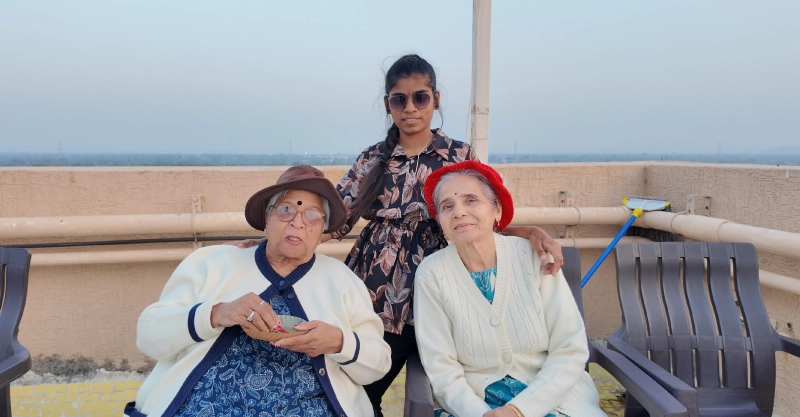
As April arrives and temperatures begin their steady climb across India, families face a familiar but often underestimated concern: keeping elderly parents safe in the heat. While summer can be uncomfortable for anyone, older adults face a genuinely elevated medical risk that most families are not fully aware of.
The human body loses its ability to regulate temperature efficiently with age. This means a senior who feels “just a little warm” may already be in the early stages of heat-related illness. In Gujarat, where temperatures routinely reach 40–45°C between April and June, this risk is especially real.
At PapayaCare, summer care for our residents is a deliberate, structured priority, not an afterthought. This guide explains why seniors are more vulnerable, what warning signs to watch for, and what families can do to keep elderly loved ones safe through the season.
Why Seniors Are More Vulnerable to Heat
The Body’s Cooling System Weakens with Age
A healthy young adult cools down through sweating the body’s most effective temperature regulation mechanism. With age, this system becomes less efficient. Older adults sweat less, sweat later in response to heat, and produce less sweat overall. This means the body retains heat longer and struggles to return to a safe core temperature.
Additionally, seniors have reduced skin blood flow, which limits the body’s ability to redirect heat from internal organs to the surface. The result is that an older adult’s internal body temperature rises faster and higher than a younger person’s under the same heat conditions.
Chronic Conditions Amplify the Risk
Many common health conditions in older adults make heat regulation even harder:
- Heart disease – limits the cardiovascular system’s ability to push blood to the skin for cooling
- Diabetes – damages nerves that control sweating and blood vessel function
- Kidney disease – reduces the body’s ability to manage fluid and electrolyte balance
- Obesity – acts as insulation, trapping heat in the body
- Dementia – reduces a senior’s ability to recognize they are overheating or to ask for help
Medications That Increase Heat Sensitivity
This is one of the most overlooked risk factors. Many medications prescribed to seniors directly affect the body’s heat response:
- Diuretics (water pills) – increase fluid loss through urination, raising dehydration risk
- Beta-blockers – reduce the heart’s ability to increase output during heat stress
- Anticholinergics (used for bladder control, Parkinson’s) – suppress sweating
- Antihistamines – also suppress sweating
- Antipsychotics – disrupt the brain’s temperature-regulating center
If your parent takes any of these medications, their heat risk is significantly higher than average. Discuss this with their doctor before summer peaks.
Understanding Heat-Related Illness in Seniors
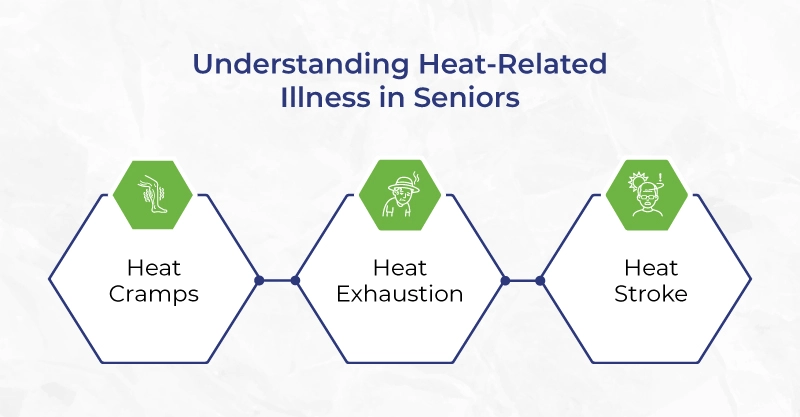
Heat-related illness exists on a spectrum. Recognizing each stage is critical for timely action.
Heat Cramps
The mildest form – painful muscle cramps, usually in the legs or abdomen, caused by dehydration and electrolyte loss. A signal that the body is under heat stress.
What to do: Move to a cool place, drink water or a electrolyte-containing fluid, rest.
Heat Exhaustion
Heat exhaustion is a moderate, serious condition that requires immediate attention.
Signs in seniors:
- Heavy sweating or, importantly, an absence of sweating despite extreme heat
- Cool, pale, or clammy skin
- Weakness, dizziness, or fainting
- Nausea or vomiting
- Rapid, weak pulse
- Headache
- Confusion or disorientation (even mild)
What to do: Move to air conditioning immediately, apply cool wet cloths, offer fluids if the person is conscious and alert. If symptoms do not improve within 15 minutes or if the senior has dementia or a heart condition – seek emergency medical care.
Heat Stroke
Heat stroke is a life-threatening emergency. The body’s temperature reaches 40°C or higher and the cooling system has completely failed.
Signs in seniors:
- High body temperature (40°C or above)
- Hot, red, dry or damp skin
- Rapid, strong pulse
- Loss of consciousness
- Confusion, slurred speech, or seizures
What to do: Call emergency services immediately. Cool the person as rapidly as possible. Apply ice packs to the neck, armpits, and groin while waiting for help. Do not give fluids if the person is unconscious or confused.
Seniors with dementia are at particularly high risk of heat stroke because they may not communicate distress, may refuse water, or may not recognize they are in danger.
Summer Heat and Specific Senior Conditions
Heat and Dementia
Dementia significantly worsens a senior’s ability to respond to heat. They may not feel thirsty despite being dehydrated, resist drinking water, dress inappropriately for the weather, or become more agitated and confused as temperatures rise. Caregivers must proactively monitor hydration and cooling – the senior cannot manage this independently.
At PapayaCare, our dementia and memory care team follows specific summer protocols that include scheduled hydration rounds, temperature-controlled environments, and behavioral monitoring during heat peaks.
Heat and Heart Conditions
The heart must work harder in hot weather to pump blood to the skin for cooling. For seniors with existing heart conditions, this added strain can trigger angina, arrhythmias, or heart failure episodes. Any senior with a history of cardiac conditions should have a heat management plan reviewed with their cardiologist before summer.
Heat and Post-Surgical or Hospital Recovery
Seniors recovering from surgery or hospitalization are particularly vulnerable because their bodies are already under physiological stress. Dehydration worsens wound healing, increases infection risk, and slows recovery. Our hospital recovery care team at PapayaCare pays close attention to environmental conditions during the summer recovery period.
Practical Steps to Keep Seniors Safe in Summer
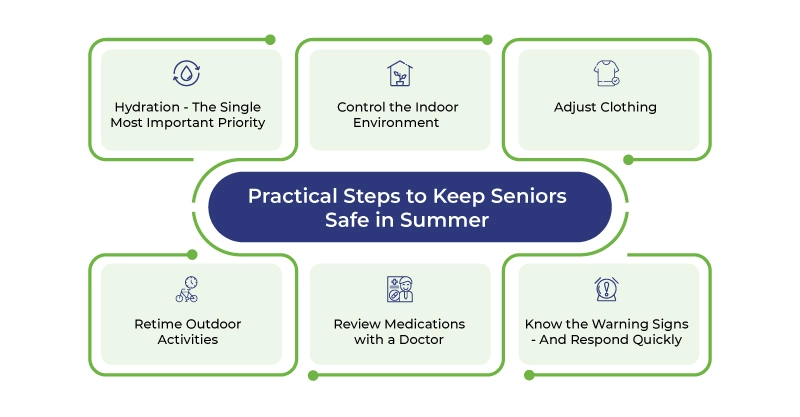
1. Hydration – The Single Most Important Priority
Older adults have a diminished sense of thirst – they often do not feel thirsty even when significantly dehydrated. Do not wait for a senior to ask for water.
Practical hydration tips:
- Offer water, coconut water, buttermilk (chaas), or diluted fruit juice every 1–2 hours
- Keep a water bottle or glass visible and within easy reach at all times
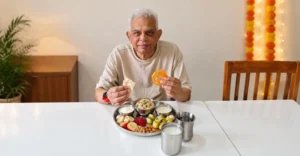
- Serve hydrating foods: cucumber, watermelon, oranges, curd
- Limit tea, coffee, and fizzy drinks – these act as mild diuretics
- If the senior is resistant to plain water, try flavored water or chilled herbal teas
Daily fluid intake goal: 6–8 glasses minimum, adjusted for body weight and activity. More if they are outdoors or visibly sweating.
2. Control the Indoor Environment
- Keep rooms cool with air conditioning or fans
- If the home lacks AC, ensure at least one room is kept cool – the bedroom where the senior spends most time
- Close curtains and blinds during peak sun hours (11 AM to 4 PM)
- Use light cotton or linen curtains to block heat without cutting airflow entirely
- Monitor indoor temperature – aim for below 28°C in senior living areas
3. Adjust Clothing
- Dress seniors in loose, light-coloured, breathable cotton clothing
- Avoid synthetic fabrics that trap heat
- Use a damp cloth on the neck, wrists, and forehead during the hottest part of the day
- Light cotton socks protect feet while allowing airflow
4. Retime Outdoor Activities
- Schedule all outdoor activities: walks, exercise, social visits before 9 AM or after 6 PM
- Always use a wide-brimmed hat and sunscreen (SPF 30 or higher) outdoors
- Keep outdoor time brief and choose shaded areas
- Never leave a senior unattended outdoors during peak heat hours
5. Review Medications with a Doctor
Before summer intensifies, ask the attending physician:
- Are any current medications increasing heat sensitivity or dehydration risk?
- Should any dosages or timing be adjusted for summer months?
- Is the senior’s blood pressure medication appropriate for summer blood pressure patterns, which can fluctuate significantly with heat?
6. Know the Warning Signs – And Respond Quickly
Do not dismiss early symptoms of heat-related illness as “just tiredness” or “feeling under the weather.” In seniors, the window between heat exhaustion and heat stroke can be narrow.
React immediately to: unusual confusion, excessive fatigue, stopping urination, very dark urine, skin that is hot and dry despite extreme heat, or any loss of consciousness.
How PapayaCare Prepares for Summer
At PapayaCare’s facility in Saij, Ahmedabad, summer care is embedded into every aspect of our daily operations:
- Temperature-controlled living and activity spaces maintained throughout the day
- Scheduled hydration rounds by trained caregivers, tracked and recorded
- Summer-specific diet plans including cooling foods, increased fluid-rich meals, and lighter caloric loads
- Medical monitoring with enhanced checks on vitals during heatwave periods
- Dementia care protocols with specific summer adaptations for residents who cannot self-report distress
- Family communication – we keep families informed about any heat-related health observations for their loved ones
Our assisted living services provide the kind of round-the-clock environmental control and medical oversight that is genuinely difficult to replicate in a home setting particularly through an Indian summer.
A Note for Families in Gujarat and Across India
If your elderly parent lives alone or with limited supervision at home during the summer months, this is the right time to reassess that arrangement. Isolation combined with heat is one of the most dangerous combinations for older adults. Seniors who live alone are less likely to drink enough water, less likely to have someone notice early warning signs, and more likely to delay seeking care.
Even if full-time assisted living is not currently needed, families should ensure:
- Daily check-in calls or visits during peak summer weeks
- A neighbour or trusted contact who can check in physically if calls go unanswered
- A clearly visible emergency contact list in the home
- Easy access to a working fan or AC in the senior’s sleeping space
For families considering a structured care environment for the summer months – or longer – PapayaCare offers a safe, professionally managed, and caring option right in the Ahmedabad region. Contact us to arrange a visit or speak with our care team.
FAQs
1. Why are elderly people more affected by heat than younger adults?
2. What are the first signs of heat stroke in an elderly person?
3. How much water should an elderly person drink in summer?
4. Can medicines make seniors more sensitive to summer heat?
5. What foods help seniors stay cool in summer?
6. How does PapayaCare protect seniors during Indian summers?
7. Should seniors with dementia be kept indoors during summer?
Conclusion: Supporting Healthy and Dignified Aging
Summer in India is not just uncomfortable for older adults with chronic conditions, medications, and reduced physiological reserve; it is a genuine health risk. The good news is that with awareness, preparation, and the right support, heat-related illness in seniors is largely preventable.
Stay proactive this season. Check on your elderly parents regularly, keep them hydrated, watch for early warning signs, and ensure they have a cool and safe living environment. If you need help providing that environment, especially through the peak summer months, PapayaCare’s team is ready to support your family.