+91-9925390425
 +1-832-647-8304
 info@papayacare.com
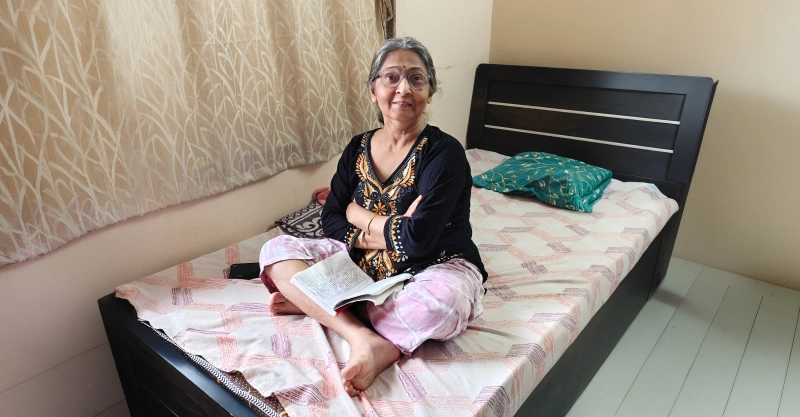
As parents grow older, many prefer staying in their own homes for comfort, familiarity, and independence. While living alone may work well for some seniors, aging can gradually make daily life more difficult and sometimes unsafe.
The challenge is that these changes often happen slowly.
Families may not immediately notice the warning signs, especially when children live in another city or abroad. What looks like “normal aging” can sometimes indicate that an elderly parent needs more support, supervision, or medical attention.
Understanding the signs early can help families prevent accidents, health emergencies, and emotional distress.
Why Safety Concerns Increase With Age
Aging can affect:
- Balance and mobility
- Memory and judgment
- Vision and hearing
- Medication management
- Emotional well-being
- Energy levels
- Reaction time
Even small difficulties in these areas can increase risks when a senior lives alone.
Common Signs an Elderly Parent May Not Be Safe Living Alone
1. Frequent Falls or Balance Problems
Falls are one of the biggest safety risks for older adults.
Warning signs may include:
- Unexplained bruises
- Difficulty walking steadily
- Holding onto furniture while moving
- Fear of walking alone
- Trouble getting up from chairs or beds
Even minor falls can lead to serious injuries, fractures, or long recovery periods.
2. Forgetting Medications
Medication mistakes can become dangerous very quickly.
Signs may include:
- Missed doses
- Taking medicine multiple times
- Confusion about prescriptions
- Expired medicines lying around
- Skipping important medications
This is especially concerning for seniors managing:
- Diabetes
- Blood pressure
- Heart conditions
- Dementia
- Neurological disorders
3. Poor Personal Hygiene
A noticeable decline in hygiene can indicate physical or cognitive difficulties.
Families may notice:
- Wearing the same clothes repeatedly
- Unwashed hair
- Poor grooming
- Body odor
- Difficulty bathing safely
Sometimes seniors avoid bathing because they fear slipping in the bathroom.
4. Unopened Bills or Financial Confusion
Difficulty managing finances may signal memory or cognitive decline.
Possible warning signs:
- Unpaid bills
- Duplicate payments
- Confusion about money
- Increased vulnerability to scams
- Forgotten banking tasks
Financial mistakes can become more common when seniors struggle with memory or concentration.
5. Changes in Eating Habits
Nutrition problems are common among elderly adults living alone.
Signs include:
- Weight loss
- Empty refrigerators
- Spoiled food
- Skipping meals
- Lack of energy
- Dehydration
Cooking may become physically exhausting or unsafe for some seniors.
Signs Related to Daily Living Challenges
| Warning Sign | Why It Matters |
|---|---|
| Difficulty climbing stairs | Increased fall risk |
| Trouble using the bathroom | Safety and hygiene concerns |
| Forgetting appointments | Possible memory decline |
| Confusion during conversations | Cognitive health changes |
| Difficulty answering calls | Reduced responsiveness during emergencies |
| Sleeping excessively | Possible depression or illness |
| Wandering outside | Serious dementia-related risk |
6. Memory Loss Beyond Normal Forgetfulness
Occasional forgetfulness can happen with age. However, repeated confusion may indicate a deeper issue.
Concerning signs include:
- Forgetting familiar places
- Repeating the same questions
- Leaving appliances on
- Forgetting names of close relatives
- Missing important dates
- Getting confused about time or location
Memory-related issues can create serious safety concerns for seniors living alone.
7. Isolation and Emotional Withdrawal
Loneliness can affect both physical and mental health.
Possible signs:
- Avoiding phone calls
- Loss of interest in hobbies
- Reduced communication
- Sadness or irritability
- Lack of motivation
- Staying indoors constantly
Social isolation can sometimes increase the risk of depression and cognitive decline.
8. Unsafe Home Conditions
The condition of the home itself can reveal a lot.
Watch for:
- Cluttered walkways
- Burn marks in the kitchen
- Poor lighting
- Dirty living spaces
- Unwashed dishes piling up
- Laundry left undone
These changes may indicate that daily tasks are becoming overwhelming.
Emotional Signs Families Should Not Ignore
Sometimes the most important warning signs are emotional rather than physical.
An elderly parent may:
- Sound anxious frequently
- Express fear about nighttime
- Feel insecure living alone
- Become unusually quiet
- Seem emotionally exhausted
- Avoid discussing health problems
Many seniors hide difficulties because they do not want to feel like a burden to their children.
A Simple Self-Check for Families
Families should ask:
- Can my parent respond quickly during emergencies?
- Are they managing medications correctly?
- Is the house safe for mobility?
- Are they eating properly every day?
- Are they socially connected?
- Have there been recent falls or hospital visits?
- Do they seem mentally alert and emotionally stable?
If multiple concerns appear together, additional support may be necessary.
Living Alone is Not Always Unsafe
It is important to remember that many seniors live independently and safely for years.
A parent may continue living alone successfully when:
- Mobility remains stable
- Memory is healthy
- Daily routines are manageable
- Social support exists nearby
- Emergency help is accessible
The goal is not to remove independence unnecessarily.
The goal is to recognize when safety and quality of life may be declining.
When Families Should Consider Extra Support
Additional support may help when:
- Falls become frequent
- Memory issues increase
- Health conditions worsen
- Isolation becomes severe
- Daily activities become difficult
- Emergency response becomes unreliable
Support may include:
- Family involvement
- Home assistance
- Medical supervision
- Companionship
- Assisted living
- Recovery care
Every situation is different, and care decisions should match the senior’s actual needs.
Final Thoughts
Recognizing the signs that an elderly parent may not be safe living alone can be emotionally difficult for families.
Many changes happen gradually, making them easy to overlook at first.
But early awareness can prevent:
- Injuries
- Medical emergencies
- Emotional decline
- Long-term complications
The most important step is not reacting out of fear, but observing with care, honesty, and compassion.
Helping elderly parents stay safe is ultimately about protecting both their independence and their well-being.
Noticing Some of These Signs in Your Parent?
PapayaCare provides assisted living and senior care services designed to support elderly individuals with comfort, dignity, and 24/7 care.

Call / WhatsApp

International / NRI