+91-9925390425
 +1-832-647-8304
 info@papayacare.com

As we grow older, our body’s nutritional needs change. A well-balanced diet plays a powerful role in maintaining energy, boosting immunity, and preventing chronic diseases. At PapayaCare, we believe that the right nutrition can improve not only physical health but also emotional well-being and independence in seniors.
Along with proper nutrition, professional senior care services help improve quality of life.
Why Nutrition Matters More in Senior Years
Good nutrition is essential at every stage of life, but it becomes even more important as we age. The body undergoes several changes such as slower metabolism, reduced muscle mass, and changes in digestion. These factors make seniors more vulnerable to malnutrition and lifestyle diseases.
According to the World Health Organization, a balanced diet helps prevent conditions such as heart disease, diabetes, osteoporosis, and certain types of cancer. Proper nutrition also supports brain health, mobility, and overall quality of life.
Key Nutritional Needs for Seniors
1. Focus on Protein for Strength and Mobility
Protein is essential for maintaining muscle mass and strength. As seniors age, muscle loss can increase the risk of falls and injuries.
Best Protein Sources
- Lentils and legumes
- Dairy products like milk, yogurt, and paneer
- Eggs and lean meats
- Nuts and seeds
Encourage seniors to include protein in every meal to maintain energy and mobility.
2. Calcium and Vitamin D for Strong Bones
Bone density decreases with age, increasing the risk of fractures. Calcium and Vitamin D are crucial for maintaining bone strength.
Calcium-Rich Foods
- Milk and dairy
- Green leafy vegetables
- Almonds
- Fortified cereals
Spending time in sunlight also helps the body produce Vitamin D naturally.
3. Fiber for Healthy Digestion
Digestive issues like constipation are common among seniors. A high-fiber diet improves gut health and prevents digestive discomfort.
High-Fiber Foods
- Whole grains
- Fruits such as apples and bananas
- Vegetables
- Oats and bran
Fiber also supports heart health and helps regulate blood sugar levels.
Importance of Hydration in Seniors
Many seniors do not feel thirsty even when their body needs fluids. Dehydration can lead to fatigue, confusion, and urinary infections.
Hydration Tips
- Encourage drinking water throughout the day
- Include soups, buttermilk, and coconut water
- Add fruits with high water content like watermelon
Make hydration a daily habit to support overall health.
Managing Chronic Conditions Through Diet
Proper nutrition can help manage common health issues such as diabetes, hypertension, and heart disease.
1. Heart-Healthy Eating
The Mediterranean diet is often recommended for seniors. It includes:
- Healthy fats like olive oil
- Fruits and vegetables
- Whole grains
- Lean protein
This diet reduces inflammation and supports cardiovascular health.
2. Diabetes-Friendly Nutrition
Seniors with diabetes should:
- Limit refined sugar
- Choose low glycemic foods
- Eat smaller, frequent meals
Balanced meals help maintain stable blood sugar levels.
Easy Meal Planning Tips for Seniors
Keep Meals Simple and Nutritious
Complicated recipes can be tiring. Simple home-cooked meals are often the healthiest.
Small and Frequent Meals
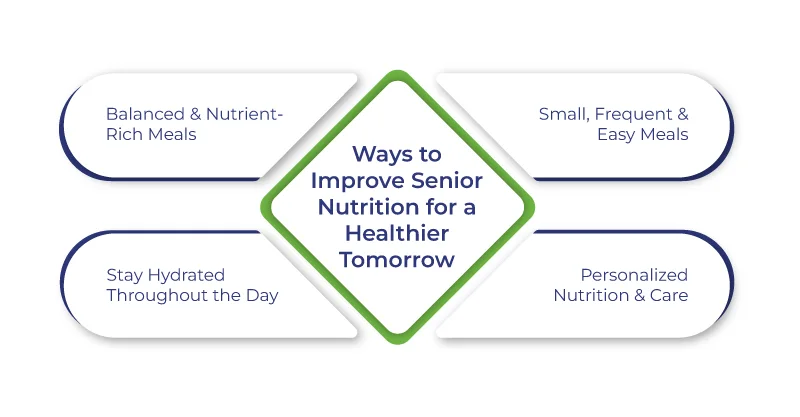
Eating 4–5 small meals daily improves digestion and energy levels.
Balanced Plate Method
A healthy plate should include:
- 50% fruits and vegetables
- 25% protein
- 25% whole grains
Emotional and Social Benefits of Healthy Eating
Nutrition is not only about food; it’s also about emotional well-being. Eating together encourages social interaction and reduces loneliness.
At PapayaCare, community care for elderly help seniors:
- Feel connected
- Improve appetite
- Build a sense of community
Common Nutrition Challenges in Seniors
1. Reduced Appetite
This may be due to medications, stress, or health conditions.
Solutions:
- Serve visually appealing meals
- Offer favorite foods
- Include snacks between meals
2. Difficulty Chewing or Swallowing
Soft and easy-to-eat foods like khichdi, soups, and smoothies are helpful.
3. Medication Interactions
Some medicines affect nutrient absorption. Regular consultations with healthcare professionals are important.
Superfoods for Senior Health
Here are some nutrient-rich foods seniors should include regularly:
- Berries for antioxidants
- Spinach for iron and vitamins
- Turmeric for anti-inflammatory benefits
- Walnuts for brain health
- Yogurt for gut health
These foods support immunity and overall wellness.
Practical Nutrition Tips for Caregivers
Caregivers play an important role in senior nutrition. Some effective strategies include:
- Creating a weekly meal plan
- Monitoring hydration
- Encouraging healthy snacking
- Avoiding processed and packaged foods
- Consulting dieticians when required
How PapayaCare Supports Senior Nutrition
At PapayaCare, we focus on holistic care that includes personalized nutrition plans, balanced meals, and emotional support. Our goal is to ensure that seniors enjoy healthy, delicious, and nourishing food every day.
We believe that good nutrition today leads to a healthier tomorrow.